

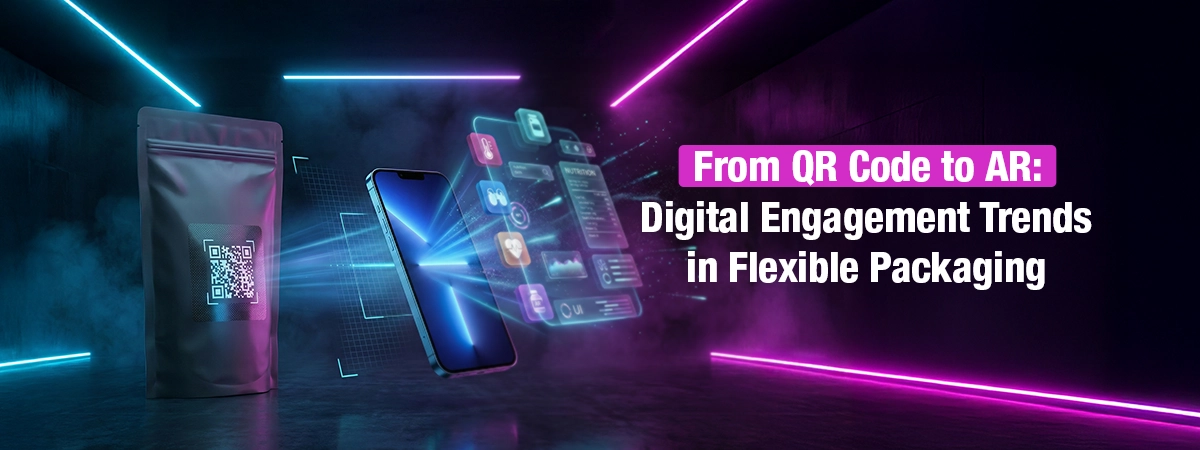
Flexible packaging is no longer just about protecting a product. Today, it is also about connecting with consumers. With the rise of digital technology, packaging has become a powerful tool for brand communication, storytelling and engagement.
From simple QR codes to immersive Augmented Reality (AR) experiences, digital engagement is changing how brands use flexible packaging. Let us explore how this transformation is happening and why it matters.
The Rise of Digital Engagement in Flexible Packaging
Consumers today want more than just a good product. They want information, transparency and interaction. Flexible packaging offers a large printable surface, making it ideal for adding digital features.
Digital engagement helps brands:
- Share product details easily
- Build trust and transparency
- Improve customer experience
- Collect valuable consumer data
This is where QR codes and AR play an important role.
QR Codes: The First Step Toward Smart Packaging
QR codes were the starting point of digital engagement in packaging. They are easy to use and cost-effective.
How QR Codes Add Value
With a simple scan, consumers can access:
- Product information and ingredients
- Usage instructions and recipes
- Certifications and sustainability details
- Brand websites and social media pages
- Promotional offers and loyalty programs
QR codes also help brands track consumer behavior, such as scan location and frequency.
Moving Beyond QR Codes: The Power of Augmented Reality (AR)
Augmented Reality takes digital engagement to the next level. AR adds digital content like videos, animations or 3D visuals on real-world packaging through a smartphone camera.
How AR Works on Flexible Packaging
When a consumer scans a pack using a mobile app or browser:
- The packaging comes alive with visuals
- Stories, videos, or product demos appear
- Interactive games or experiences engage users
This creates a memorable brand experience.
Benefits of AR in Flexible Packaging
1. Better Brand Storytelling
AR allows brands to tell their story in an engaging way. Consumers can see how a product is made, where ingredients come from or what the brand stands for.
2. Stronger Consumer Engagement
Interactive content keeps consumers interested for longer. This builds a stronger emotional connection with the brand.
3. Improved Trust and Transparency
AR can show quality checks, safety standards and sustainability practices, helping build trust.
4. Higher Purchase Decisions
Engaged consumers are more likely to choose a brand again, increasing repeat purchases.
Why Flexible Packaging Is Ideal for Digital Features
Flexible packaging is lightweight, customizable and cost-efficient. It supports high-quality printing, making QR codes and AR markers clear and easy to scan.
It is widely used in:
- Food and beverages
- Ready-to-eat meals
- FMCG products
- Personal care and pharma packaging
This makes flexible packaging a perfect platform for digital innovation.
Digital Engagement and Sustainability
Digital packaging also supports sustainability goals:
- Reduces the need for printed leaflets
- Shares recycling instructions digitally
- Educates consumers about eco-friendly practices
Brands can communicate sustainability without adding extra material to the pack.
The Future of Digital Engagement in Flexible Packaging
The future looks promising. Soon, we will see:
- AI-powered personalized content
- Smart packaging with real-time updates
- Deeper integration of AR with e-commerce
- Better data insights for brands
As technology becomes more accessible, digital engagement will become a standard feature in flexible packaging.
Conclusion
From QR codes to Augmented Reality, digital engagement is reshaping flexible packaging. It turns simple packs into interactive communication tools that inform, engage and inspire consumers.
Brands that adopt these trends early will stay ahead in a competitive market and create meaningful connections with their customers.
Flexible packaging is no longer silent. It speaks, interacts and tells stories, all through digital innovation.